

By Lindsay Sparks, RD, CIEC
If you have ever searched for help with food and felt more confused afterward, you are not alone. One person calls themselves a nutritionist. Another calls themselves a dietitian. Online, the titles are used as if they mean the same thing — and social media, where anyone can share nutrition advice, has blurred the lines further.
They do not mean the same thing. The dietitian vs nutritionist difference comes down to education, training, legal protection of the title, and the kind of care each person is qualified to provide. It matters most if you live with a health condition, are recovering from an eating disorder, take medication that affects appetite or blood sugar, or are untangling years of chronic dieting.
The short answer?
Every registered dietitian is a nutritionist, because nutrition is central to the work. But not every nutritionist is a registered dietitian. “Dietitian” is a protected, credentialed title with a defined education and exam behind it; “Nutritionist” can describe someone with a graduate degree — or no formal training at all. Look at the credential behind the title.
Dietitian vs. Nutritionist at a glance…
| Registered dietitian (RD / RDN) | Nutritionist | |
|---|---|---|
| Title | Protected and regulated | Broad term; varies by state |
| Education | Accredited degree; graduate degree required for new RDNs | No single standard; graduate degree to none |
| Supervised training | Required supervised practice | Not consistently required |
| Exam and credential | Must pass the national CDR registration exam | No single national exam |
| State license | Licensed in Missouri and most states | Depends on state and credential |
| Medical nutrition therapy | Yes — qualified to provide it | Not without a qualifying credential and license |
What is a registered dietitian?
A registered dietitian — RD, or RDN for registered dietitian nutritionist — is a credentialed health professional who has completed a standardized, accredited path in dietetics. RD and RDN are exactly the same credential; dietitians choose the version they prefer.
That path has several required steps, and none of them is optional:
An accredited degree. Complete a degree through an accredited program in dietetics, with coursework in food science, biochemistry, physiology, and medical nutrition. Since January 1, 2024, new dietitians must complete a graduate degree to sit for the exam.
Supervised practice. Complete required hands-on training in hospitals, clinics, public health programs, and community settings, working with real patients under experienced professionals.
A national exam. Pass the registration examination administered by the Commission on Dietetic Registration, the profession’s credentialing agency.
State licensure. Meet the requirements to practice in your state, where required. Missouri licenses dietitians, and only a licensed person may use the title “dietitian” here.
Ongoing education. Keep learning to stay current: 75 hours of continuing professional education in every five-year cycle.
What is a nutritionist?
A nutritionist is someone who works with food and nutrition — and that is about as specific as the term gets. In much of the USA, “nutritionist” is not a single licensed profession. Some hold serious credentials: a Certified Nutrition Specialist, for example, has graduate-level education, supervised experience, and an exam through a separate board. Others hold a nutrition degree without becoming registered. Elsewhere, a person can use the title after a short online course, or with no training at all.
That does not make a nutritionist automatically good or bad — but the title alone tells you very little. The useful question is never just “Are you a nutritionist?” It is “What education, credential, and license stand behind that title, and what are you legally able to help me with?”
General nutrition education is valuable. Nutritionists may run community classes, support public health programs, or help generally healthy people build everyday habits. The line is crossed when general advice is presented as treatment for a medical condition.
What is medical nutrition therapy — and why does it matter?
Medical nutrition therapy, often shortened to MNT, is where the distinction stops being about titles and starts being about your health. It means assessing a person’s nutrition in the context of a diagnosed condition, then building and monitoring a care plan over time as part of their treatment — nutrition therapy with a medical purpose, not a generic meal plan.
Dietitians provide medical nutrition therapy for health conditions including diabetes, heart and kidney conditions, gastrointestinal disorders, food allergies, and eating disorders. The work involves your medical history, labs, medications, symptoms, and daily life, and often involves communicating with the rest of your care team.
Dietitian vs nutritionist for eating disorders
Eating disorders and disordered eating are medical and mental health conditions, not a lack of information about food. Helpful care usually involves a team — a medical provider, a therapist, and a dietitian with specific training in eating disorder care — all communicating with each other.
A dietitian in this specialty does far more than suggest what to eat. The work can include helping you eat enough and regularly again, loosening rigid food rules one step at a time, and rebuilding trust in hunger and fullness. It also means paying attention to your nervous system and the patterns underneath the eating — stress, exhaustion, restriction earlier in the day, using food or alcohol to cope — rather than treating struggle as willpower. Emotional eating and binge eating belong here too, and neither is something to be shamed for.
As a dietitian who specializes in this work, I urge you to check specialty training, not just the credential. Ask about eating disorder experience, approach to weight and body image, and whether they will work alongside your therapist. A general nutritionist without this training can do harm by prescribing restriction that keeps the disorder going.
Dietitian vs nutritionist for weight loss
If your only goal is general healthy habits and you have no medical conditions, a well-qualified professional of either kind may support you. If weight sits alongside blood sugar, blood pressure, medication, or a long history of dieting, a dietitian is the safer, more complete choice, because that medical and behavioral context is exactly what dietitian training covers.
You will not be shamed here for caring about your weight. Many people arrive at my practice after years of chronic dieting, their feelings about weight tangled up with health, comfort, and wanting to feel at home in their body. Those feelings make sense. As a weight-neutral dietitian, I offer a wider lens: health, energy, labs, sleep, stress, and your relationship with eating, rather than reducing progress to one number.
Notice the approach, not just the promise. Be cautious with anyone who guarantees a result, cuts out whole food groups without a medical reason, or treats hunger as an enemy. Sustainable support fits your real life and starts from the root of a pattern: breakfast ideas will not fix breakfast-skipping rooted in going to bed exhausted every night. Asking what one small thing, just 1%, could change is often a better beginning.
What this means in Missouri — and for insurance
Rules vary by state, which is why explanations of dietitian vs nutritionist USA-wide differ. Here in Missouri, dietetics is a licensed practice: state law reserves the title “dietitian” — and the abbreviations L.D. and L.D.N. — for people licensed to practice dietetics in Missouri. In Missouri, “dietitian” is not a marketing word. It is a legal credential.
Because dietitians are licensed health professionals, visits may be covered by insurance when care is medically necessary; services from an unlicensed provider are typically not covered. Coverage depends on your plan and diagnosis, so check your benefits before you book.
How to choose the right professional for you
Start with safety and scope, then choose on fit. These four checks will get you there:
Verify the credential. Look for RD or RDN after the name, plus a state license where one is required, and confirm both before booking.
Match the specialty to your need. Choose someone experienced with your concern — eating disorders, diabetes, gut health, or the overlap of disordered eating and alcohol use — not just general training.
Ask how they work. Do they hand you a plan, or explore your nervous system, patterns, and what drives your choices? I call my work nutrition counseling: I am not a therapist and do not replace therapy, but I work alongside your therapist.
Notice how you feel. You should feel listened to, respected in the body you have today, and free to say when a suggestion does not fit your life.
Working with a dietitian at Feed Your Spark
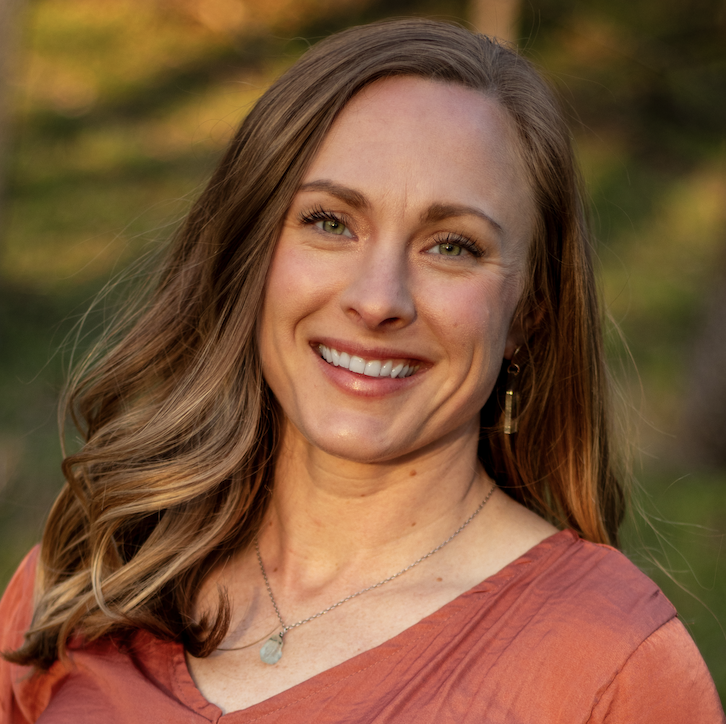
I am Lindsay Sparks, a registered dietitian in Springfield, Missouri, and the owner of Feed Your Spark. I specialize in disordered eating and eating disorders, chronic dieting, and the intersection of disordered eating and alcohol use, supporting people who are sober or sober-curious as well as people still sorting out their relationship with alcohol. My approach is weight-neutral and trauma-informed: we test whether the “shoulds” from social media are realistic for your life, and build change in small, doable steps.
Feed Your Spark offers in-person appointments in Springfield and video appointments, plus a free discovery call to talk through fit before you commit to anything. If you are unsure whether a dietitian is your right next step, that call is exactly what it is for.
Ready to talk it through?
Not sure who you need? Book a free discovery call to talk through your goals and whether my practice is the right fit — or who might be a better one: https://l.bttr.to/XXFxj

Frequently asked questions
Is dietitian and nutritionist the same thing?
No. All registered dietitians work in nutrition, but “dietitian” is a credentialed, licensed title, while “nutritionist” is a broad term with no single standard behind it.
What is the difference between a registered dietitian (RD) and a registered dietitian nutritionist (RDN)?
None. RD and RDN are two ways of writing the same credential from the Commission on Dietetic Registration, with the same education, supervised practice, and national exam.
Is a dietitian or nutritionist more qualified?
A registered dietitian: standardized education, supervised training, a national exam, and state licensure. Some nutritionists hold strong graduate credentials in a narrower scope, so check the specific credential, not the word alone.
Is a dietitian or nutritionist better for weight loss?
Either may support general habits, but a dietitian is usually better when weight concerns sit alongside medical conditions, medications, or a long history of dieting, because a dietitian can provide medical nutrition therapy.
Can a nutritionist provide medical nutrition therapy?
Generally, no — not on the strength of the title alone. Medical nutrition therapy requires a qualifying credential and, in licensed states like Missouri, a license to practice dietetics. Ask which credential and license authorize the work.
The bottom line
The dietitian vs nutritionist difference is not about who cares more or who posts better content. It is about verified training, legal scope, and the care you need right now. For your health — especially an eating disorder, a medical condition, or a tangled relationship with food and alcohol — choose credentials you can verify and an approach that treats you as a whole person.
Sources:
Commission on Dietetic Registration requirements for becoming an RDN — registered dietitian nutritionist requirements
Missouri law on the licensed dietitian title (RSMo 324.205) — Missouri Revisor of Statutes, Section 324.205
Cleveland Clinic — Dietitian vs. Nutritionist: The Difference
This post is general education and is not medical advice. If you are struggling with an eating disorder or with alcohol use, please reach out to your medical provider, therapist, or a specialist practice.